

Skip to content
Pflastersteine

Making Every Drop Count – Keeping Water in the Cycle from Rainfall to Reuse

Water is becoming both more precious and less predictable in its availability. While longer periods of drought increase pressure on agriculture and water supplies, intense rainfall can overwhelm drainage systems and heighten flood risks.

Treating water as a precious resource therefore means more than reducing its consumption. It requires retaining rainfall where possible, storing it for later use and delivering water efficiently to where it is needed most.

wienerberger’s solutions – from permeable paving to stormwater management and drip irrigation – are helping customers do exactly that. Different as their applications may be, they are all part of the same approach: making every drop count.

Retaining Rainwater Where It Falls

Effective water management can start directly beneath our feet.

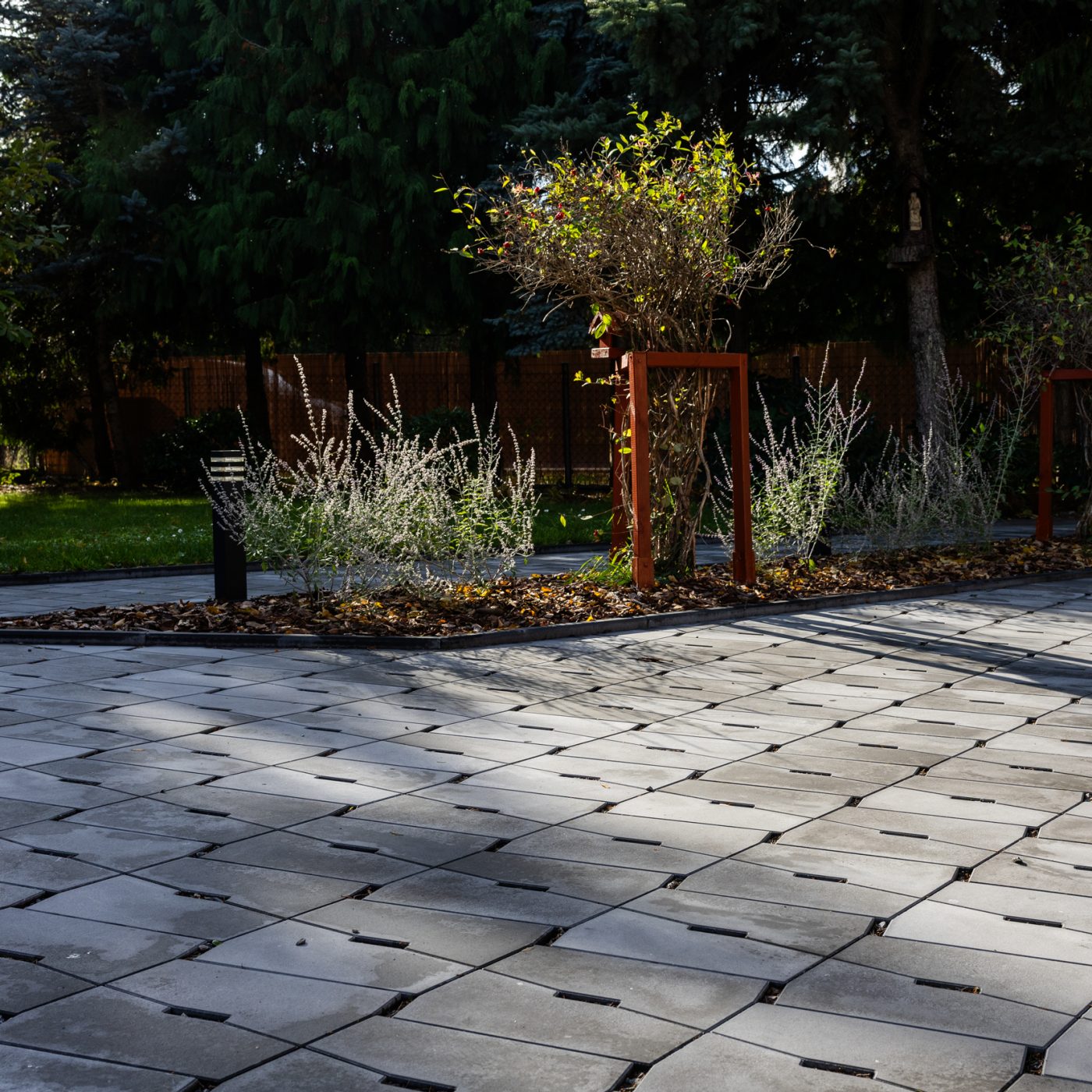
Conventional impermeable surfaces prevent rainwater from infiltrating naturally into the soil. Permeable paving solutions such as Green-Blue Pavers offer an alternative by allowing rainfall to soak directly into the ground.

In a residential project in a forest environment, Green-Blue Pavers helped preserve the natural water balance around nearby trees by enabling rainwater to reach the soil and root systems below. More broadly, permeable paving can help retain water on site, replenish groundwater resources and support surrounding vegetation by allowing rainfall to infiltrate naturally into the ground.

Rather than collecting and transporting rainfall elsewhere, these solutions keep water within the local water cycle.

Turning Rainwater Into a Resource

Water attenuation can also create opportunities for reuse. When insulation manufacturer STEICO developed its production plant in Gromadka, Poland, in 2024, the approximately 19-hectare site required a comprehensive stormwater management system. Alongside protection from intense rainfall through retention, the aim was to support local infiltration, store and reuse harvested rainwater for production processes.

Pipelife Poland designed and supplied a water management solution covering approximately 17 hectares. It includes an extensive drainage network, two underground retention tanks, pumping stations and three underground infiltration fields made from 7,000 Stormbox II attenuation and infiltration crates. Together, the retention tanks and infiltration systems provide 4,174 m³ of capacity.

Rainwater collected from the plant's roofs is stored and reused as process water. Runoff from roads, parking areas and other potentially contaminated surfaces is treated separately before being directed into the infiltration system. The system therefore serves several purposes at once: protecting the site from flooding, reducing stormwater discharge, lowering the plant's water consumption and supporting groundwater recharge.

Rainwater becomes a resource rather than simply runoff to be managed.

Next-Generation-Stormwater-Management-for-Production-Site
© Pipelife Poland
Next-Generation-Stormwater-Management-for-Production-Site
© Pipelife Poland
Next-Generation-Stormwater-Management-for-Production-Site
© Pipelife Poland
Next-Generation-Stormwater-Management-for-Production-Site
© Pipelife Poland
Next-Generation-Stormwater-Management-for-Production-Site
© Pipelife Poland
Next-Generation-Stormwater-Management-for-Production-Site
© Pipelife Poland
Next-Generation-Stormwater-Management-for-Production-Site
© Pipelife Poland

Bringing Water Directly to the Crop

In agriculture, the challenge is different: delivering available water to crops as efficiently as possible.

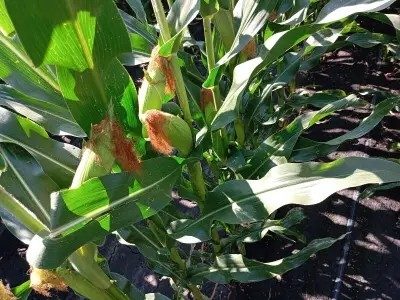
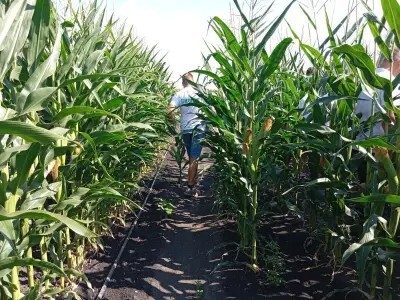
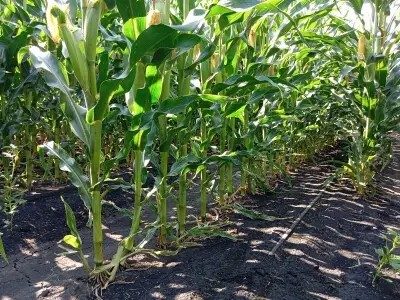
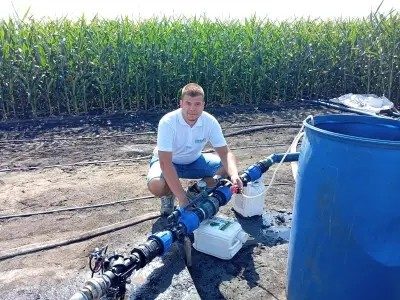
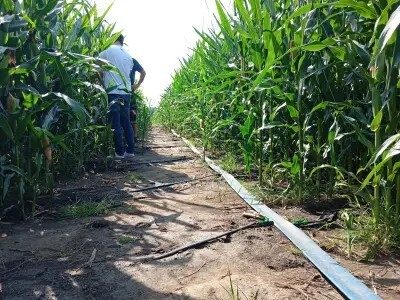
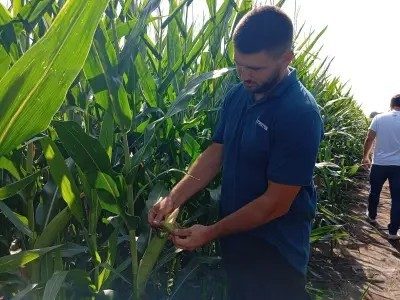
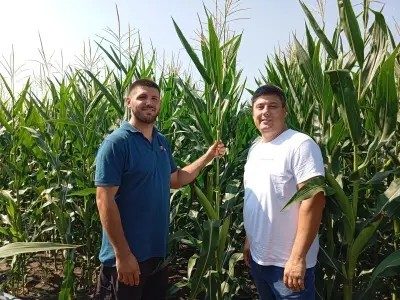
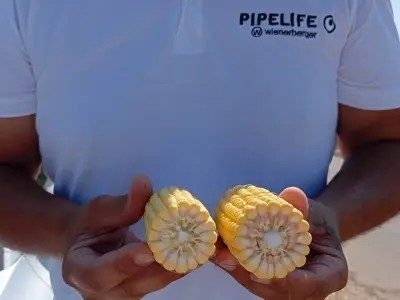
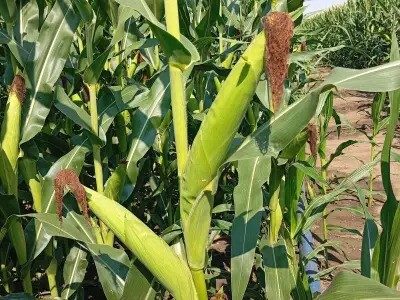
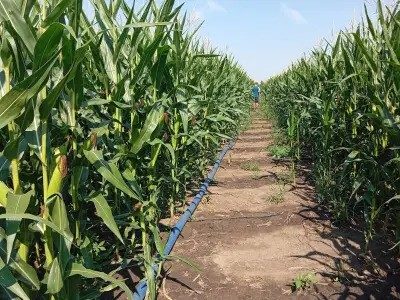
In Serbia, Pipelife is supporting farmers with drip irrigation systems that deliver water directly to the root zone. In 2026, the team worked on around 20 surface drip irrigation projects for corn fields, covering approximately 350 hectares. The projects range from 4 to 55 hectares, with Pipelife supplying complete systems as well as installation support and guidance for farmers.

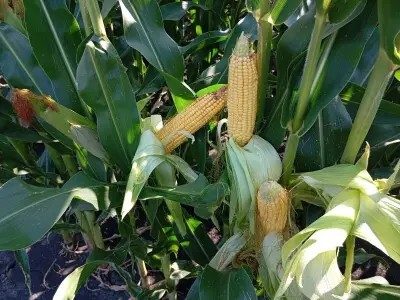
At the farming company ZZ Sokolac in Lipar, a five-hectare corn field is irrigated using a Pipelife drip irrigation system.

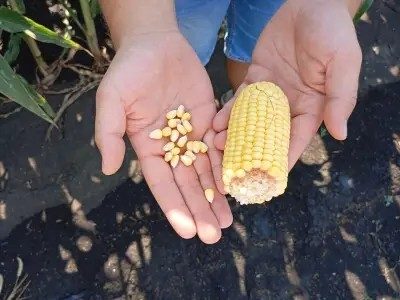
A separate project near Kikinda provides another example. Following extremely low yields during the previous year's drought, the farmer introduced drip irrigation to supply water directly and efficiently to the plants. In this case, the irrigated field delivered four times the yield of the non-irrigated field. These results highlight the significant potential of targeted irrigation to improve crop resilience and maintain productivity when rainfall becomes less reliable.

Additional projects are already planned in Serbia, including irrigation systems for orchards and other crops, with a growing focus on subsurface drip irrigation.

From Individual Projects to 35 Million m³ of Water

These applications contribute to one of the key ambitions of the wienerberger Sustainability Program 2023–2026: enabling 35 million m³ of water to be harvested, retained and saved through our infrastructure and agriculture solutions by the end of 2026.

We are committed to achieving our sustainability goal by continuing to expand and enhance these solutions. Projects of all sizes across wienerberger, from large-scale industrial stormwater systems and agricultural irrigation networks to permeable paving solutions, help to keep rainwater in the local water cycle.

“From permeable paving and stormwater management to drip irrigation, our solutions support one common goal: keeping water available for longer and using it more efficiently. As climate conditions become more unpredictable, this approach is becoming increasingly important for communities, industries and agriculture alike.”

Zoran Davidovski

Zoran Davidovski

Head of Sustainability at Pipelife

Making Every Drop Count

As climate conditions become increasingly unpredictable, effective water management requires solutions tailored to specific local challenges. Whether capturing rainwater for industrial reuse, enabling natural infiltration in urban environments or delivering water precisely where crops need it, wienerberger solutions help keep water available for longer and use it more efficiently.

Together, these applications demonstrate how modern infrastructure and agricultural solutions can help communities, industries and farmers make every drop count.

Learn more about wienerberger

Corporate Blog

corp-no-news