What processes and intermediate steps does stockyard management involve? Where does an inbound truck driver check in with his vehicle? And how does a forklift operator know that a load is ready for pick up? These and similar questions formed the starting point for Wienerberger’s digital stockyard project to digitize stockyard logistics and make them even more efficient.
Real-time materials movement
From picking the products to issuing dispatch notes to truck drivers: in the past, many of the steps required for the acceptance, storage and loading of merchandise had to be repeated and performed manually. The Digital Stockyard solution introduced in 2019 simplifies these processes and ensures that information is collected and forwarded in real-time.
“This project has made the paperless stockyard reality. No other company has a completely digital end-to-end-solution like the one we have developed”, says Günther Gfrerrer, Head of Supply Chain Management at Wienerberger. After having first gone live in the Netherlands and Belgium, the Digital Stockyard solution has now been implemented in several of Wienerberger’s other international markets, including Austria.
From digital check-in to check-out
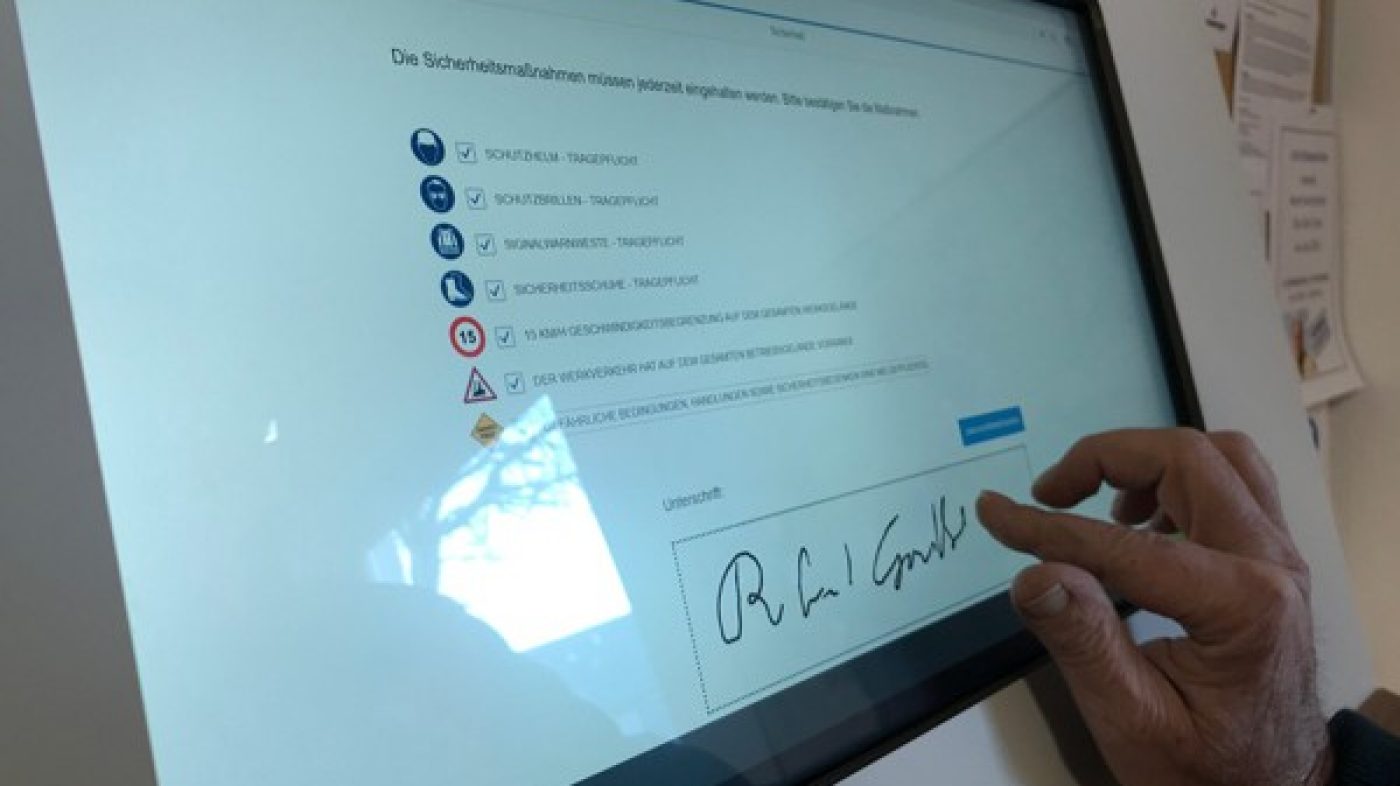
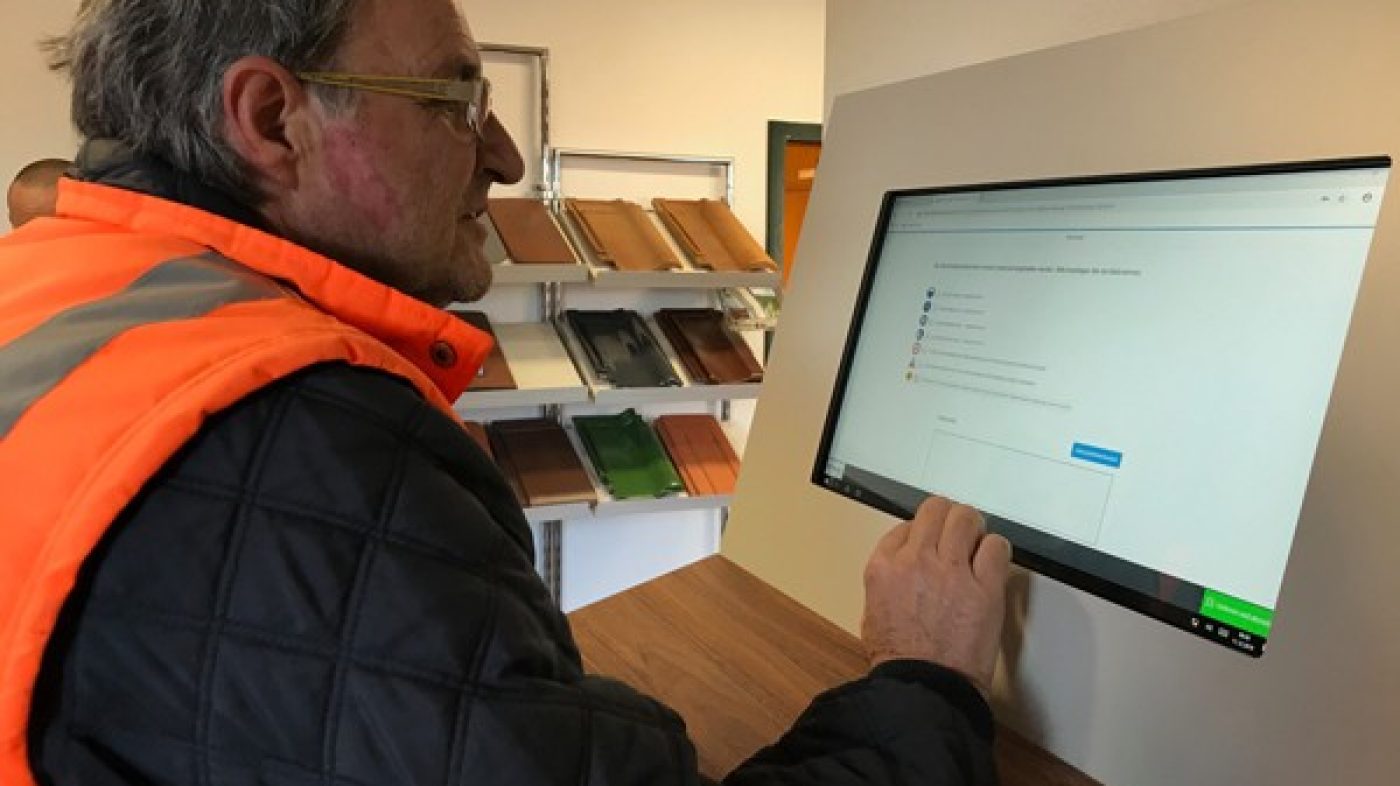
The process is as follows: The “picker“ assembles the individual items for the consignment based on the customer’s order. This is then followed by the digital check-in for the truck driver. After checking in via a touchscreen, the driver is shown all the information he needs to proceed – from the safety measures in force at the site to the merchandise and the allocated loading bay. The forklift operator in the stockyard is notified in real time that check-in has taken place. He can view all the data regarding orders and drivers on a tablet and process it in the SAP-system using a special user interface. Photographs to document the loading of the consignment can also be attached.
The merchandise is now loaded onto the truck. Once the truck has been fully loaded it is time to continue to the digital check-out. If the load does not match the dispatch note, it is automatically corrected. The truck driver confirms that he has accepted the goods by signing for them. The advantage of this procedure is that it provides a real-time inventory that always reflects actual stock levels. Moreover, no further administrative steps are required.




 © Uwe Strasser
 © Alexander Grund
 © Alexander Grund
 © Festfotodesign
 © Wienerberger AG