In Europe, and increasingly in other parts of the world, the trend is away from a linear economy to a circular economy. What measures are you taking to promote this concept?
Scheuch: The largest part of our business is the manufacture of products from clay. We take clay from the earth, fire it, form products and at the end of their lifecycle we return the raw material to the production process – this is essentially a circular economy. We have also made a commitment in all other areas of the business that from 2023 onwards new products will be completely recyclable or reusable. In the case of plastic pipe production at our Pipelife subsidiary, we have already had very good success in increasing our use of secondary raw materials.
Biodiversity is another important issue. How does wienerberger contribute to preserving or restoring biodiversity at its production sites?
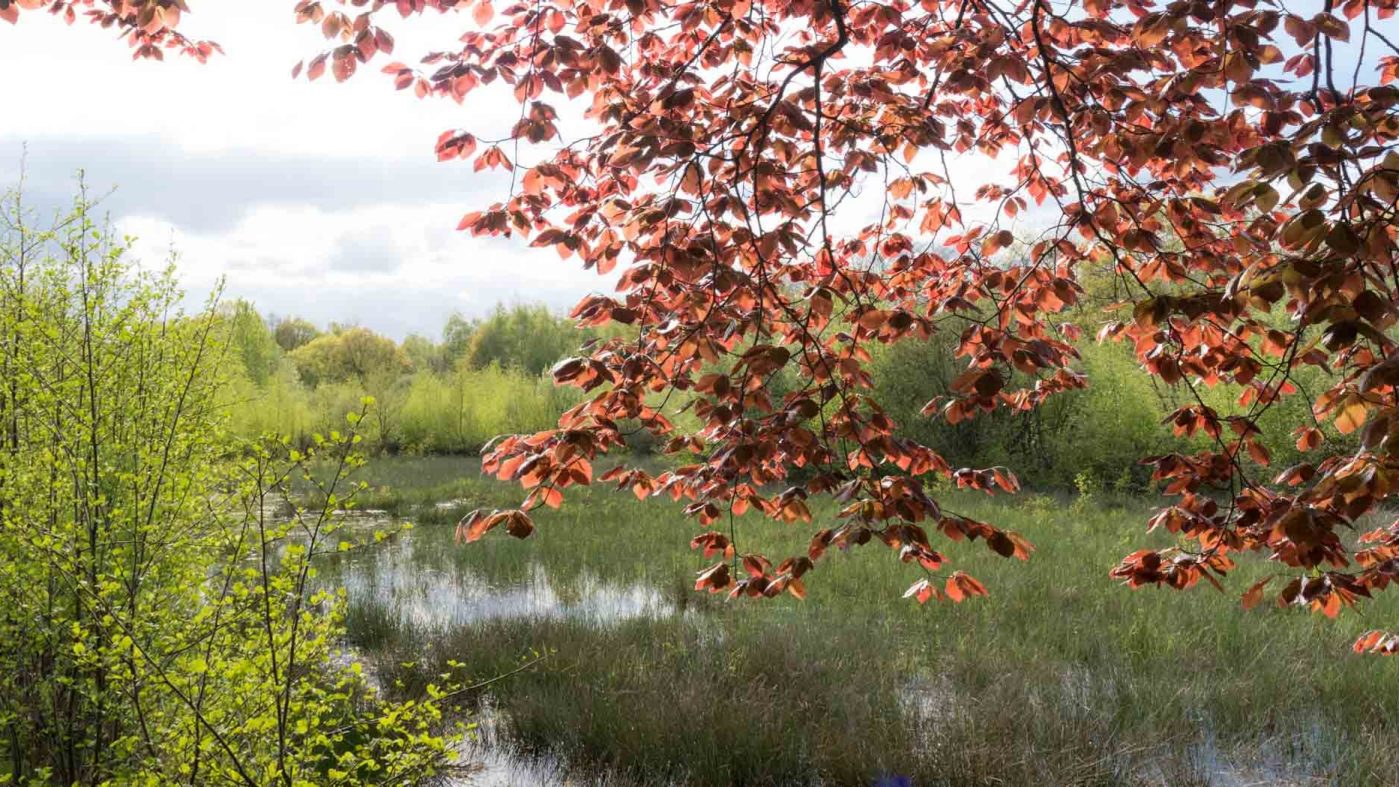
Scheuch: A company like wienerberger with almost 200 sites in 29 countries must take on responsibility for the environment. We minimize the impacts of our raw materials extraction and production and make every effort to preserve and improve biodiversity. Depleted clay pits have the potential to become ideal habitats for rare flora and fauna. Here, we work together with local partners such as agriculture and people living in the vicinity. We also take additional measures to foster biodiversity. By 2023 we will implement biodiversity programs at all our locations.
If you had to sum up what drives Wienerberger in a single sentence, what would it be?
Scheuch: Ultimately, we always have one thing in mind: developing and offering superior, sustainable solutions. Because we want people to continue benefiting from the values created by Wienerberger in 200 years’ time.

 © Uwe Strasser
 © Wienerberger AG