© APA-Fotoservice/Ludwig Schedl
Circular Economy: Soil from Subway Construction Turned into Bricks
wienerberger uses excavated soil from a Vienna subway tunnel as raw material for bricks. Find out here what benefits this brings.
© APA-Fotoservice/Ludwig Schedl
wienerberger uses excavated soil from a Vienna subway tunnel as raw material for bricks. Find out here what benefits this brings.
During the expansion of the Vienna subway in Austria, excavated material is being put to good use: wienerberger is using 35,000 cubic meters of soil to produce around 2.8 million bricks –enough for about 1,000 single-family homes. The pilot project demonstrates how resources can be used efficiently and sustainably in the construction process.
Enough soil to fill the entire Vienna State Opera – that’s how massive the volumes are that have been generated so far during the expansion of Vienna’s U2 subway line. Volumes that would normally have to be disposed of at great cost in a landfill. But now, part of it is getting a second life – as raw material for high-quality bricks from wienerberger.
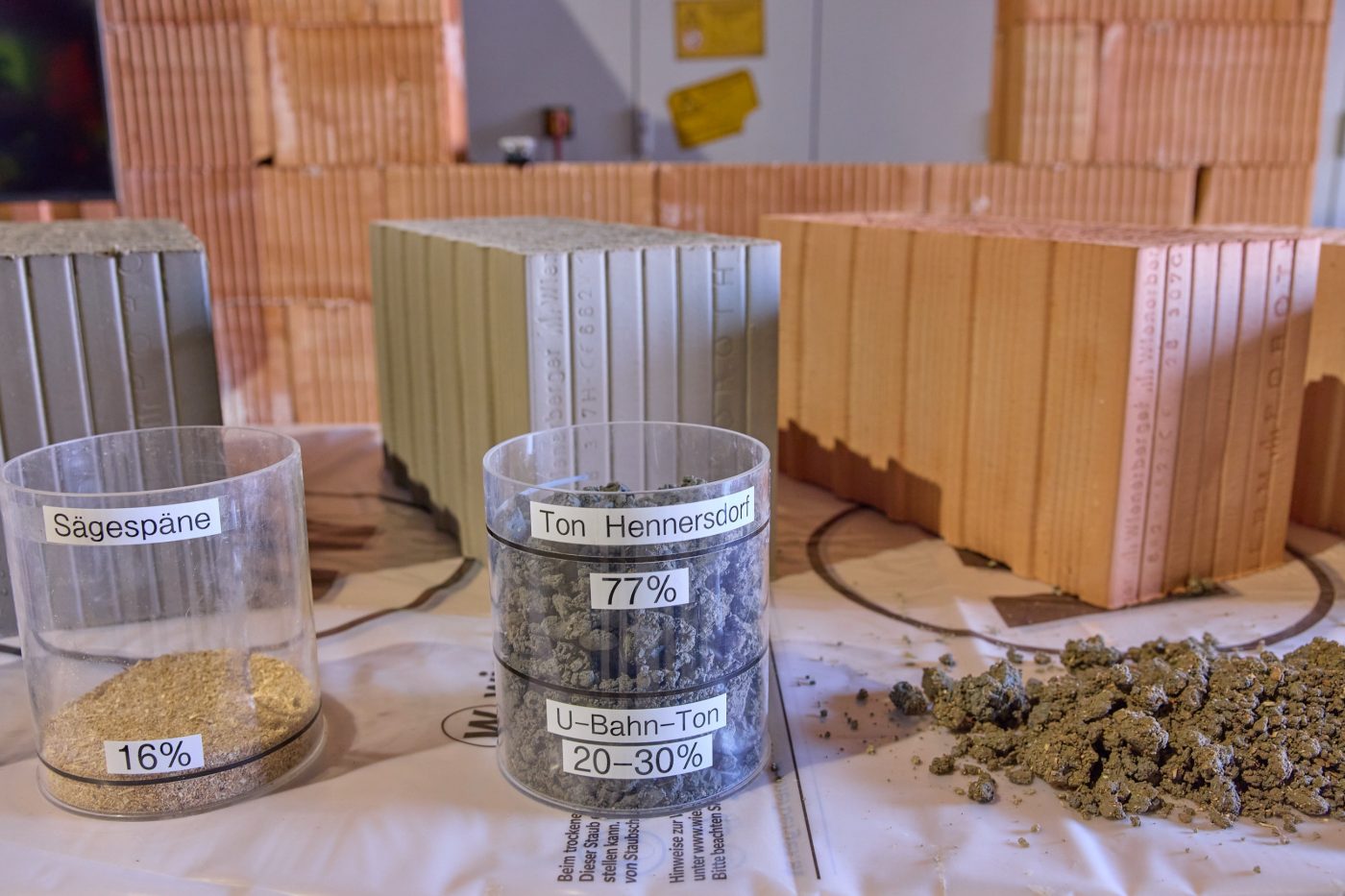
In a joint pilot project with public transport operator Wiener Linien, wienerberger is processing the excavated material from the U2 extension to Matzleinsdorfer Platz into bricks. This is because the soil excavated during tunnel construction contains clay – the most important raw material for brick production.
Normally, wienerberger has to extract clay for its bricks from its own clay pits. In this pilot project, however, it comes directly from the construction process.
This offers multiple benefits: On the one hand, natural resources are conserved because wienerberger has to extract less new clay. On the other hand, it reduces landfill waste and the associated costs.
“The goal of the project is to turn a supposed waste product into a high-quality building material and thereby establish a regional material cycle.”
Specifically, this involves 35,000 cubic meters of excavated material that is processed into approximately 2.8 million bricks instead of ending up in a landfill. This is enough to build around 1,000 single-family homes.
© APA-Fotoservice/Ludwig Schedl
A particular advantage of the pilot project is the immediate proximity of the raw material source to the production site: The material excavated by the ’Debohra’ tunnel boring machine at Matzleinsdorfer Platz is transported directly to the plant in Hennersdorf near Vienna, just nine kilometers away.
There, it undergoes rigorous quality testing: What is the composition? Are there any impurities? How much does the material shrink during drying? What about workability and compressive strength?
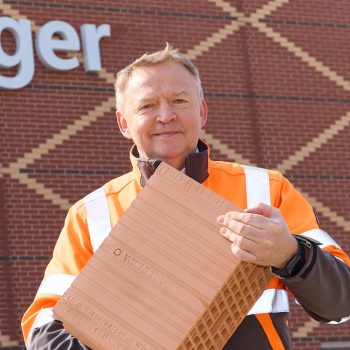
“Even though these processes are challenging, we’ve received the green light in all areas. That’s why the subway bricks are fully-fledged bricks for the market,” says Marchner.
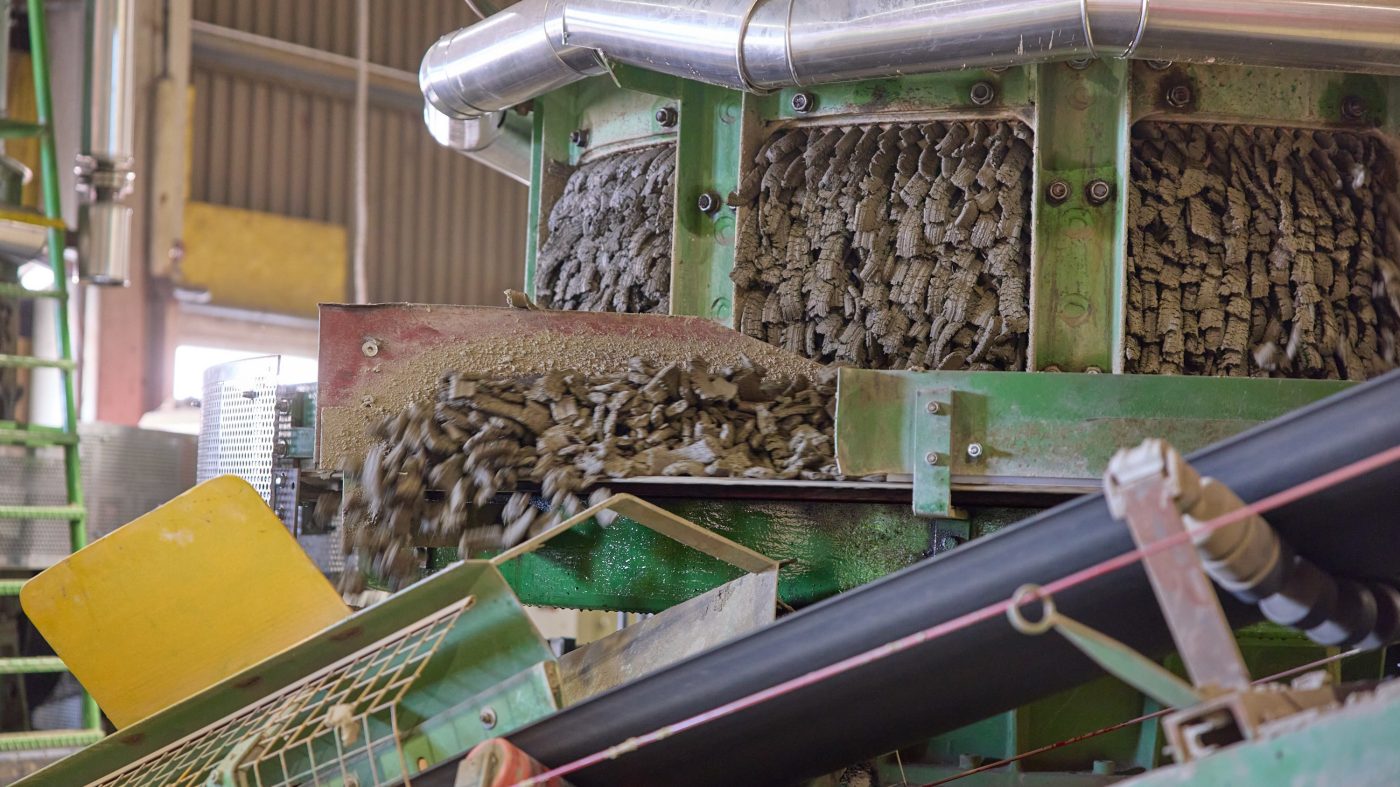
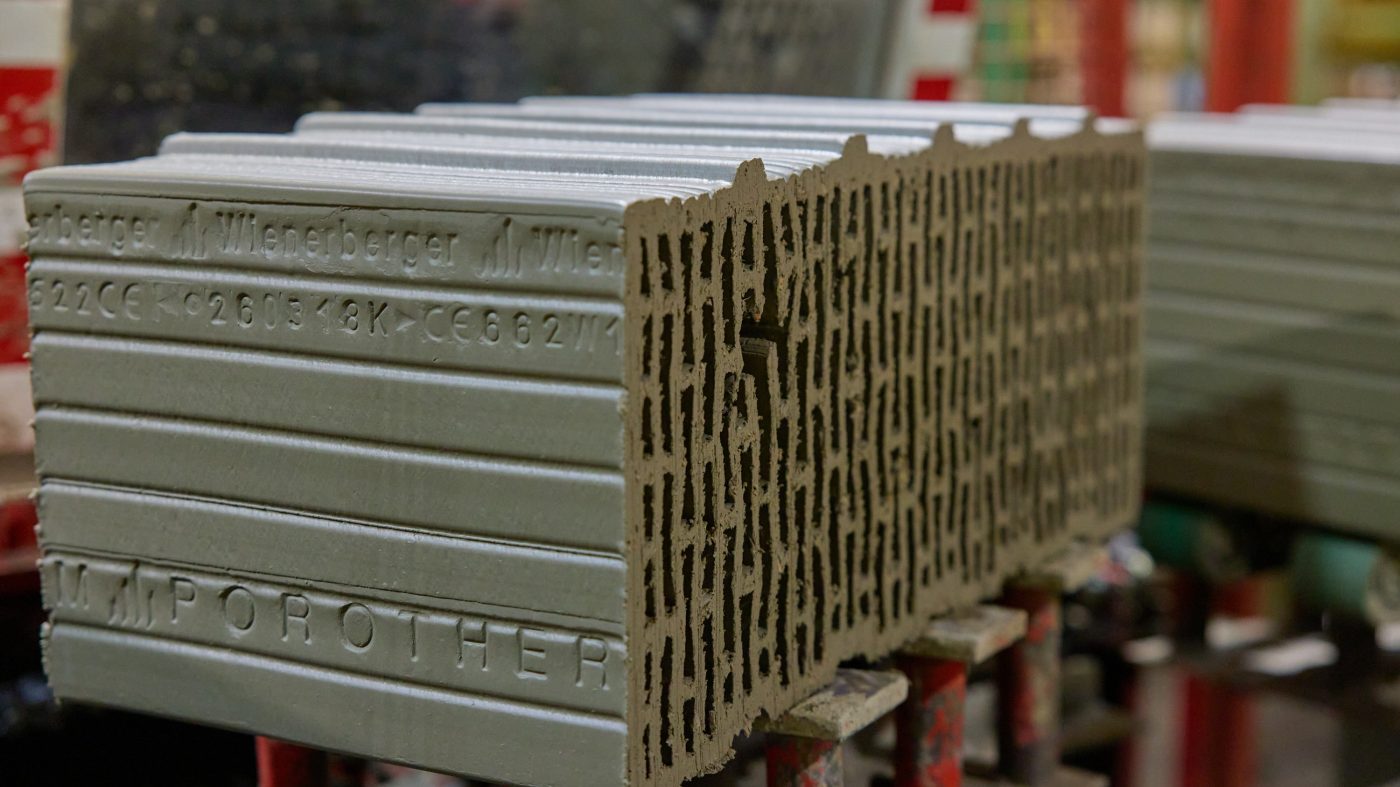
After the lab check, production begins – both directly in Hennersdorf and at the brick plant in Göllersdorf: The clay is crushed, sieved, and mixed with water. Then the moist clay mixture is pressed through a press, cut into brick shapes, and dried. The bricks are then placed in the kiln. There, they harden and become stable at temperatures of approximately 900 to 1,000 degrees Celsius.
“Thanks to seamless quality control before, during, and after production, the bricks achieve the same quality as the classic bricks from our clay pits. There are no differences in structural integrity, insulation, or soundproofing.”
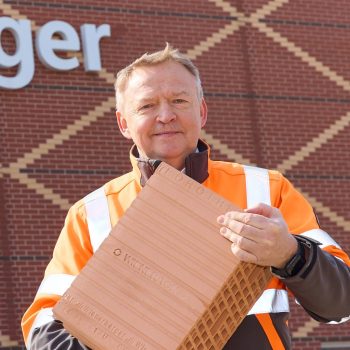
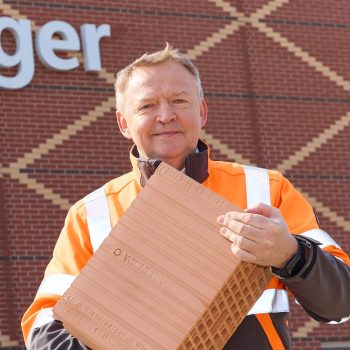
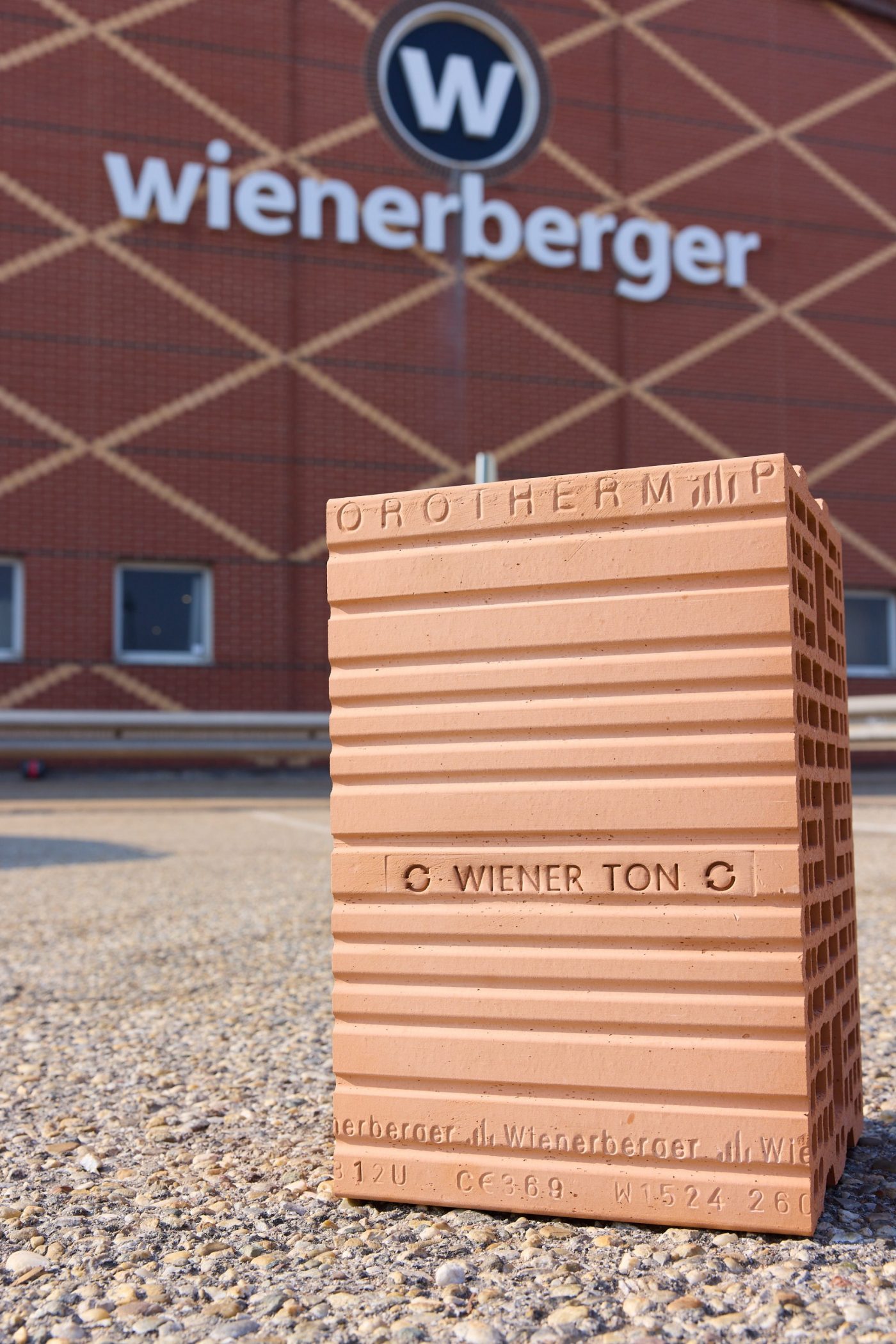
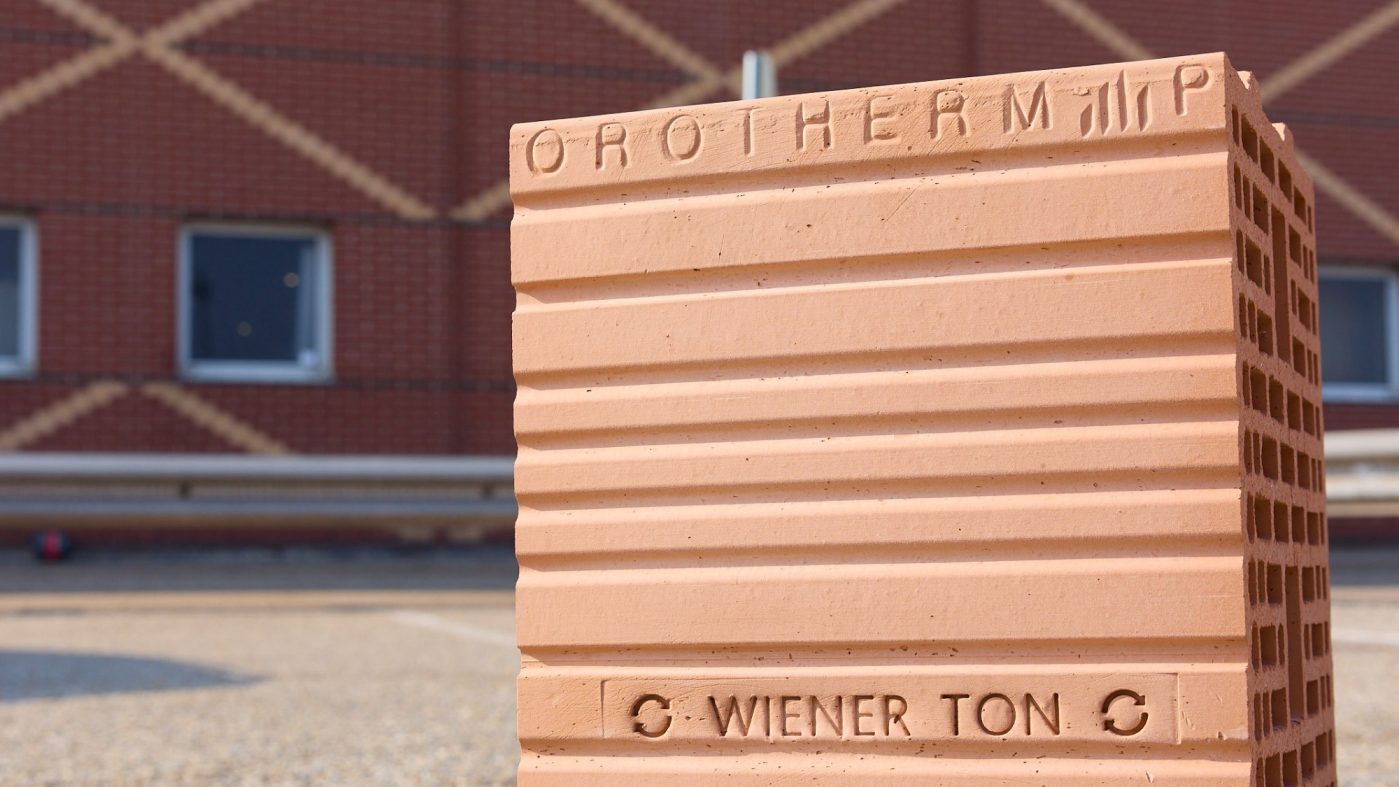
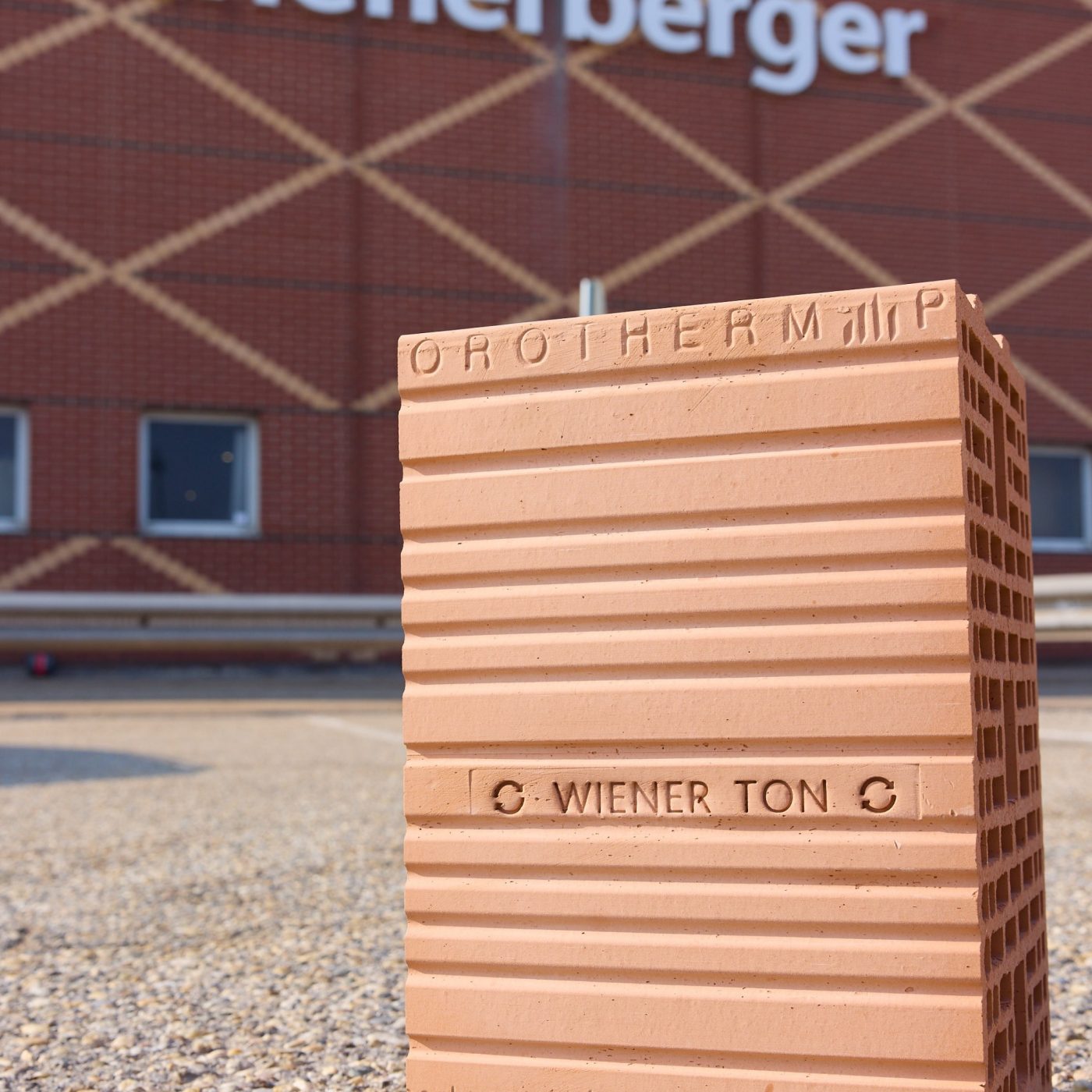
Just like other wienerberger products, the subway bricks are available at regular building supply stores. The “Wiener Ton” stamp makes them instantly recognizable.
© APA-Fotoservice/Ludwig Schedl
The pilot project contributes to wienerberger’s sustainability strategy, in which the promotion of the circular economy is firmly anchored. The goal is to use raw materials more efficiently and thereby reduce waste – for example, through sharing, leasing, reuse, repair, refurbishment, and recycling.
In practice, this means: Waste is reduced to a minimum. Materials are kept in the economic cycle for as long as possible. At the end of their life cycle, they are reused to continue generating value.
Thus, the circular economy stands in contrast to the traditional throwaway economy, which relies on large quantities of cheap, readily available raw materials and energy.
“wienerberger views the transition to a circular economy as a major opportunity. We develop products and processes that reduce waste and use resources efficiently. To this end, we work on innovations, continuously improve production, review raw materials and product design, and deploy new technologies and digital tools.”
The focus is on the durability, recyclability, and reusability of wienerberger solutions:
Particularly durable products with a lifespan of more than 100 years: A long service life spanning generations is a central element of the circular economy and stands in stark contrast to the throwaway economy. Durable products conserve resources and reduce waste.
Ceramic solutions from wienerberger are characterized by extreme durability and often remain in use for more than a century. Already today, wienerberger generates more than four-fifths of its revenue with such exceptionally durable products.
Recyclable and reusable products: Even during product development, wienerberger ensures that materials can be reused at the end of their life cycle. More than 90% of revenue comes from recyclable or reusable products. Innovative solutions, such as reusable roof tiles or modular click-brick systems, not only reduce environmental impact but also strengthen competitiveness.
At the same time, wienerberger is continuously increasing the proportion of secondary raw materials and recycled materials in its production. These reprocessed resources replace primary raw materials, thereby helping to conserve resources.
© APA-Fotoservice/Ludwig Schedl
The use of excavated soil from the subway extension demonstrates how urban circular economy works in practice. The pilot project offers not only ecological but also economic benefits:
The success of the pilot project raises the question of whether to continue or expand it. For wienerberger, this is certainly an option. “We are also exploring possibilities for using the excavated soil from the further expansion of the U2 toward Wienerberg and the U5 to Hernals,” says Marchner. However, this requires that the excavated material be of sufficiently high quality and that economically viable conditions exist.
In addition to Vienna, other regions in Austria also offer potential for the use of clay deposits in the context of the circular economy, including the Lower Austrian Danube region, Gmunden, southeastern Styria, the Klagenfurt Basin, and the regions around Mattersburg and Eisenstadt.
Key facts about the subway brick
© APA-Fotoservice/Ludwig Schedl
The pilot project by wienerberger and Wiener Linien exemplifies how resources can be used sustainably in large-scale projects. The circular economy is a key lever in this regard.
The overarching goal is to make the construction industry sustainable: through holistically designed construction processes and materials that remain in the cycle for as long as possible.
If you’d like to learn more about wienerberger’s Vienna subway bricks, read here.
You can read all about the circular economy at wienerberger in our annual report.