

Skip to content
Italcer plant

A Circular Economy Solution for Porcelain Stoneware Production – Giving Lime Residue a Second Life

wienerberger company Italcer established the industrial use of lime residue from flue gas treatment as a secondary raw material for porcelain stoneware production.

02.09.2026 5 min

For more than two decades, the ceramic industry has increased the use of secondary raw materials. Italcer, a leading producer of high-end ceramic solutions for floors, walls and façades, is now also addressing one of the industry’s most difficult residues to recover: lime generated during flue gas treatment. Around 4,000 tons of this calcium-rich material are generated each year in the Sassuolo ceramic district and traditionally require disposal. Italcer’s solution shows how research can turn industrial waste into a valuable resource.

Turning a residue into a resource

Reusing the material is technically challenging: even small additions can affect ceramic processing, while the fluorine compounds captured by the lime during flue gas treatment raised concerns about possible release during firing.

Italcer therefore set out to determine whether the residue could be safely reintegrated into ceramic production without compromising process stability or environmental performance.

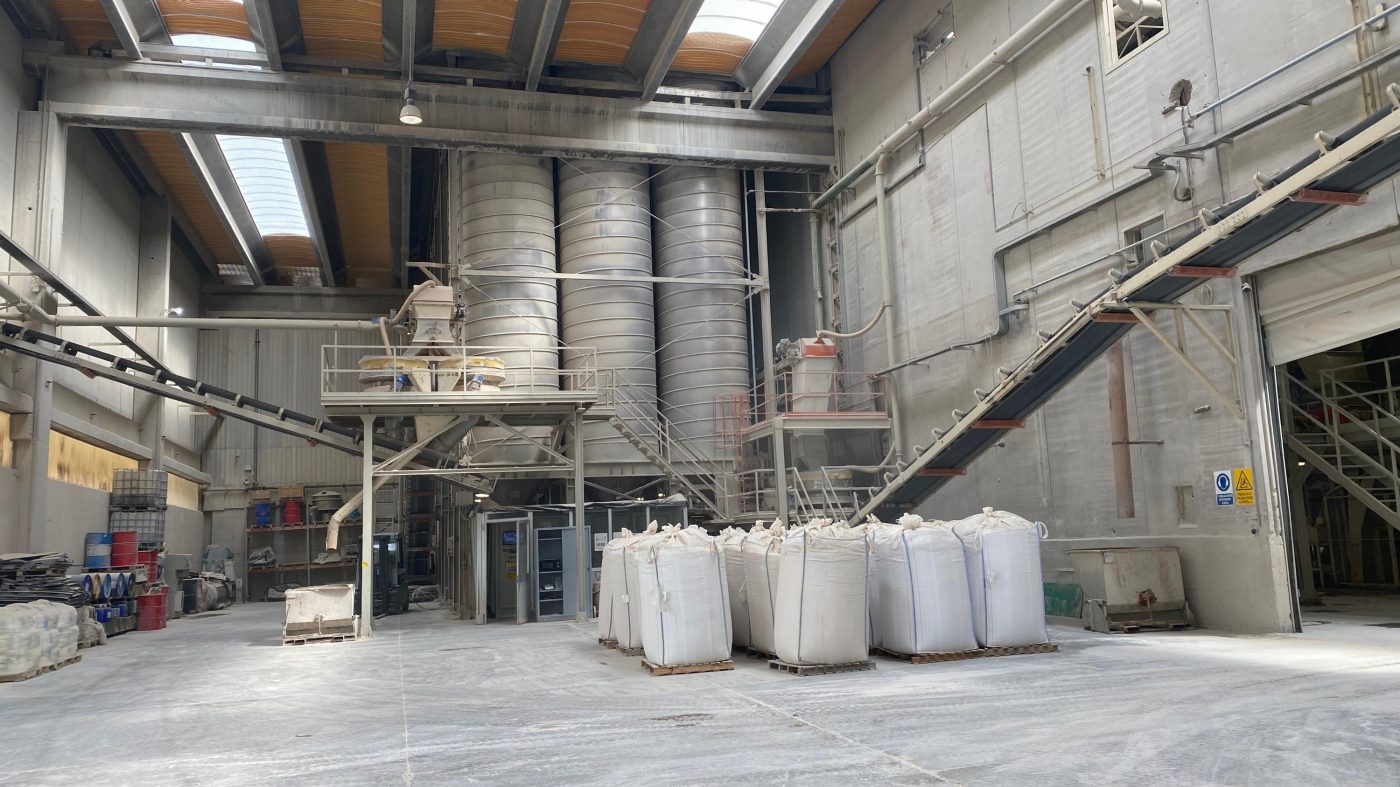
Material in einer Halle

From a long-standing challenge to an industrial solution

The project started in 2022 with laboratory and industrial trials at Italcer's Castel Bolognese plant. Within about a year, lime residue was successfully reintroduced into porcelain stoneware production. The process was then transferred to Sassuolo, where a dedicated recovery facility became operational in 2024. Since 2025, the plant has centrally recovered lime from Italcer's porcelain stoneware production sites.

Following technical research and environmental validation by the regional Environmental Protection Agency (ARPAE), the authorities approved industrial implementation. Italcer Sassuolo became the first ceramic facility in the region authorized to receive lime from other ceramic production sites and recover it as a secondary raw material.

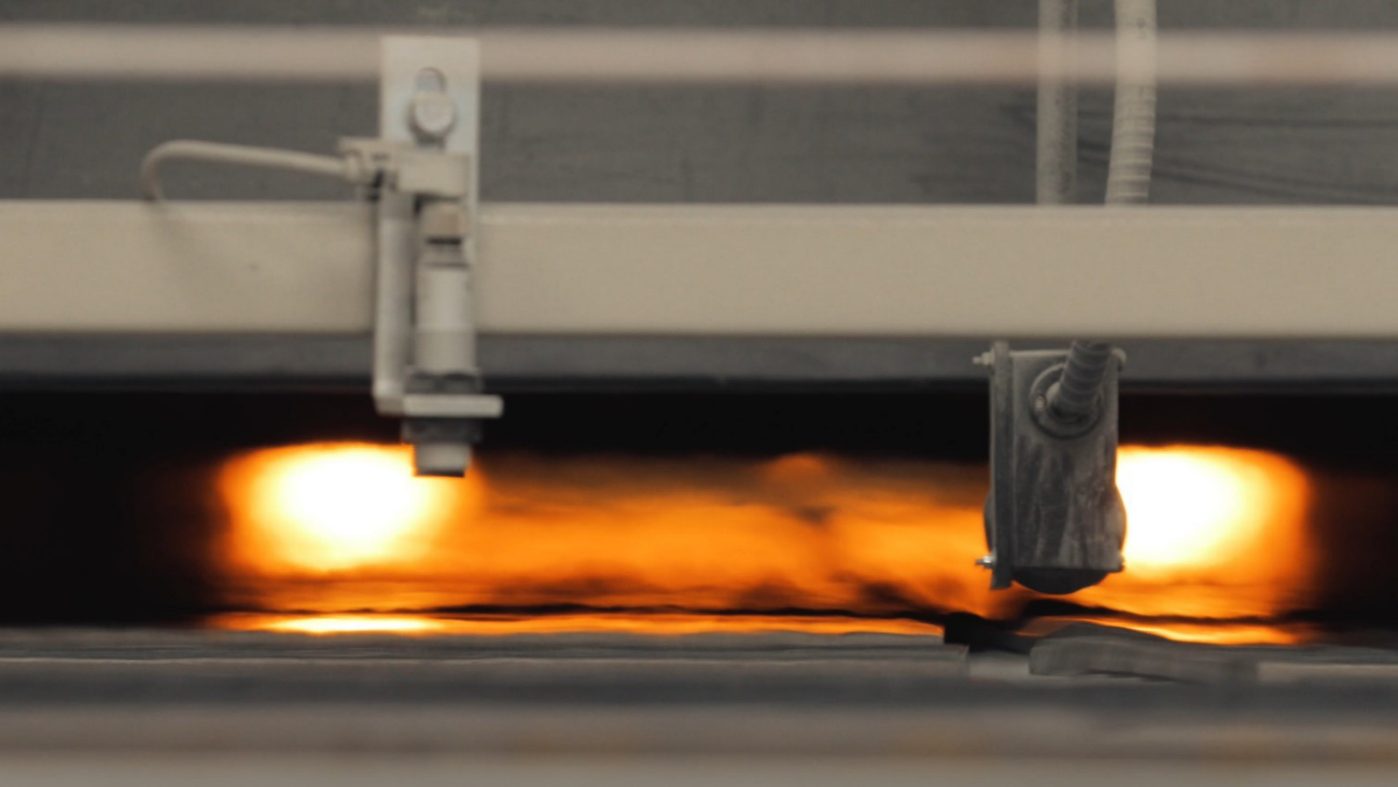
The key breakthrough was demonstrating that firing at around 1,200 °C stabilizes fluorine within the porcelain stoneware matrix under the tested process conditions, enabling the safe reuse of the lime residue.

The solution is the result of several years of research, industrial trials and continuous process optimization.

Concrete environmental and economic results

In 2025, the Sassuolo plant recovered approximately 205 tons of lime residue from Italcer Group production sites. This avoided disposal, replaced an equivalent amount of virgin raw material and supported Italcer's objective of recovering ceramic production residues. Based on 2025 operating data, the initiative generated estimated annual savings of around €80,000, net of transportation costs.

“At Italcer, sustainability and circularity are not only environmental commitments, they are key drivers of innovation. The lime residue project shows how research can generate measurable value for both the business and the environment.”

Graziano Verdi

Graziano Verdi

CEO, Italcer Group

A model that can be replicated

The approach could be replicated at other porcelain stoneware plants with comparable firing and process conditions, subject to site-specific technical and environmental validation. Italcer will continue optimizing formulations and exploring further safe applications for the material.

The project shows how circularity can become part of industrial operations by turning a residue from one process into a resource for another. For wienerberger, it demonstrates how materials expertise, research and industrial collaboration can support innovation, resource efficiency and sustainability in ceramic manufacturing.

“Circularity is not only about recycling materials, but also about understanding how they can be safely and effectively reintegrated into industrial processes. This project demonstrates how a material traditionally considered waste can become a valuable resource through science, innovation and industrial collaboration.”

Elisa Rambaldi

R&I Manager, Ceramic Sector, Italcer Group

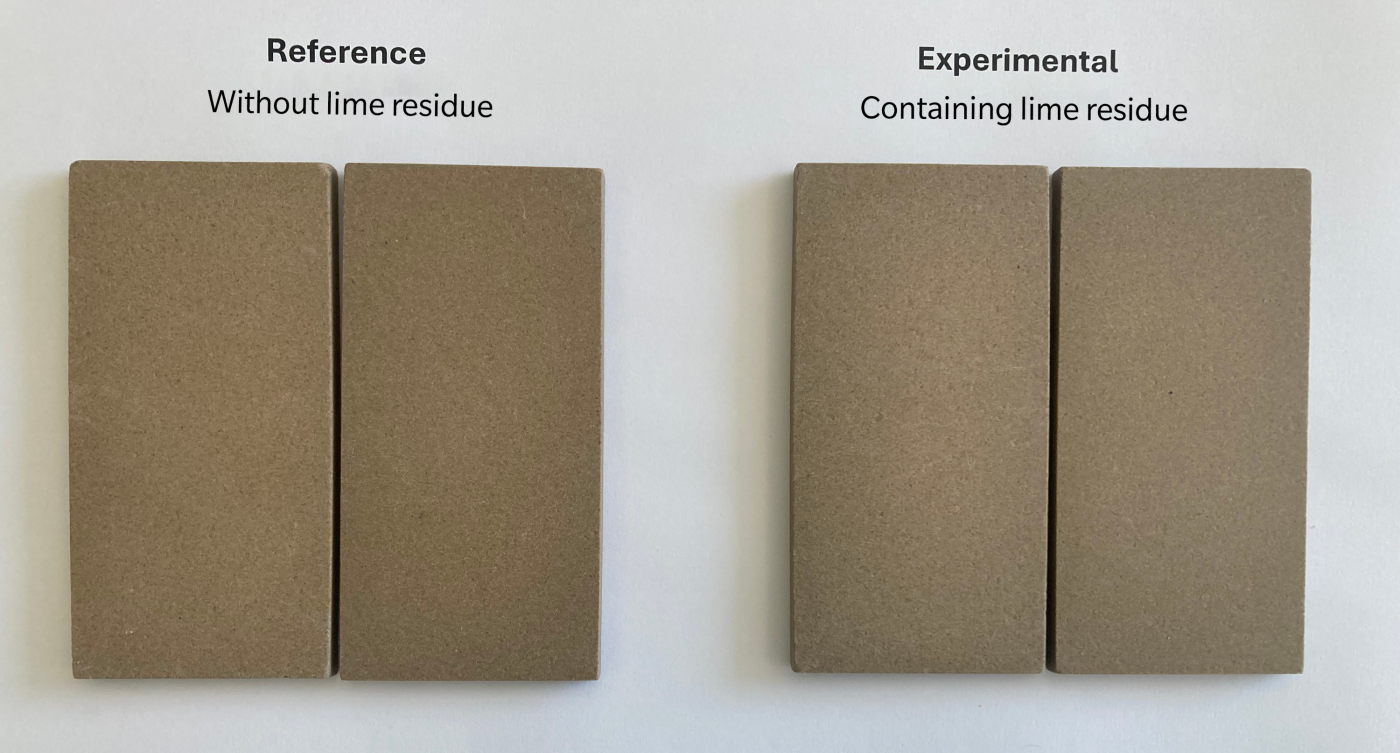
Fired porcelain stoneware specimens

Comparison between reference porcelain stoneware specimens and specimens containing lime generated during flue gas treatment after firing at 1,205 °C in an industrial kiln. Under the tested conditions, the recovered material can be successfully incorporated into the ceramic body without visible differences in the final fired product.

Erfahren Sie mehr über wienerberger

Corporate Blog

corp-no-news